A note on client retention, quiet attrition, and the cost of silence between the formal moments.
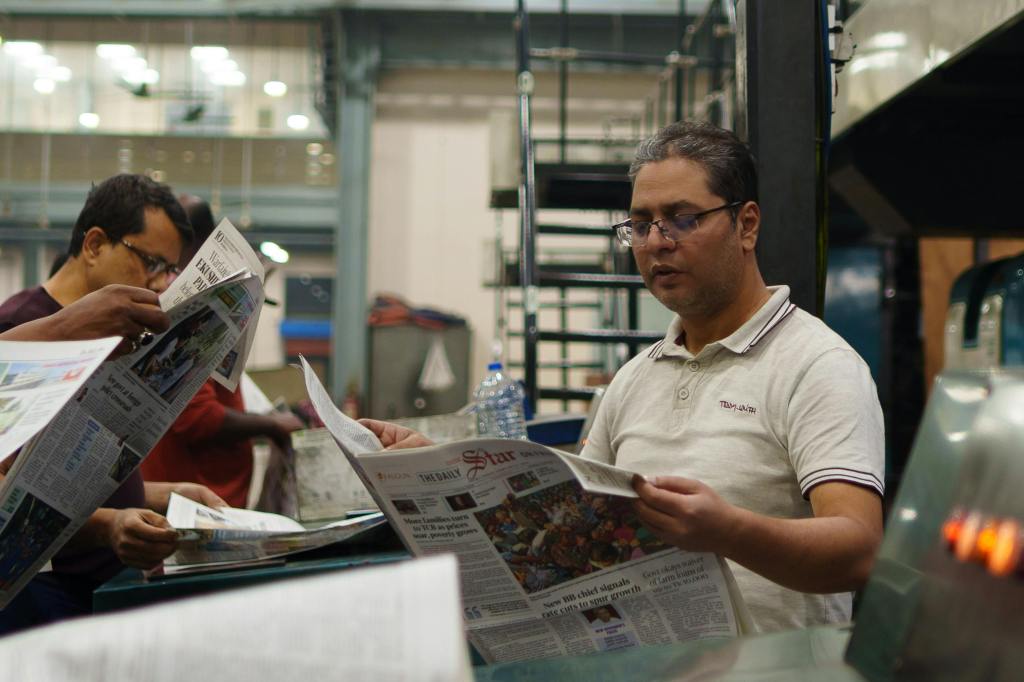
I grew up reading a newspaper. Same one for decades. It was part of my morning. Tea, the paper, fifteen minutes before the day began. I never thought of it as a subscription. It was closer to a habit that had always been there.
I cancelled it last year. The papers kept piling up in the corner of the living room. Bundling them, carrying them down, dealing with the heap became a chore I started dreading on Sunday mornings. A digital version exists. I still open it every now and then, the way you might walk past an old neighborhood just to see if it still feels like home. But by the time I got around to dealing with the pile, something had already shifted. The affection I felt for the paper had quietly become an irritation. I did not leave because I had stopped caring. I just ran out of reasons to stay.
I keep thinking about this in a business context.
Loyalty is not what we think it is
We speak about customer loyalty as if it were a deep thing. Earned over years. Solid. It is not. Loyalty is more like water cupped in your hands. The tiniest disturbance and it slips through your fingers, and half the time the disturbance has nothing to do with the quality of what you offer.
B2B services is where this hurts most, and where we are least honest about it. CustomerGauge’s research across B2B sectors puts average annual churn in professional services at 27 percent. Almost a third of the client base, gone every year, in an industry built on the story of deep relationships.
A client has been with you for five years and you treat that as proof of something. It is not proof of loyalty. It may only be proof that the pain of switching has been greater than the pain of staying.
The invoices that are hard to read. The account lead who changed twice. The quarterly review that felt like someone reading from a template. None of these cause a client to leave. But they accumulate. And one day a competitor, or an internal team, or an AI tool makes leaving easy enough, and they go. Quietly. Without any of the emotion a long relationship is supposed to produce.
Nobody owns the space in between
The honest thing about retention in B2B services is that we spend most of our energy in the wrong place. Winning a client has our full attention. Keeping them has whatever is left over. Communication drops off once the ink is dry. The account moves into something we politely call steady state, which in most firms looks a lot like drift.
Nobody is watching the pile form. And nobody inside the firm actually owns the voice the client hears in the long stretches between deliverables. Marketing is busy with prospects. Account leads are busy with delivery. The space in between belongs to no one, and that is precisely where loyalty quietly decays.
What the data says about silence
A Rivo 2026 report referencing Zipdo’s B2B research found that 78 percent of buyers say their loyalty depends on proactive communication from the vendor. Not the product. Not the pricing. The communication.
The biggest retention risk most B2B services firms carry is not service quality. It is silence. And when no one inside the firm is treating that silence with the same seriousness they bring to winning new business, the pile is already forming. The client sees it before you do.
A different way to think about keeping clients
Keeping a client is a sustained act of communication. Not marketing as most firms define it. Not account management as most firms define it. Something in between. A discipline that treats the client’s experience of being remembered, noticed, and understood as something worth designing for.
The newspaper I cancelled had nothing wrong with it. The journalism was fine. The digital version is still there. What disappeared was the quiet sense that staying was worth the effort. No firm I know measures that. And yet that is exactly the thing that decides whether a long client relationship survives the next small friction or not.
Length is not loyalty. It is only the time a client has given you before the accumulation of small frictions outweighs the reasons they had for staying.
Photo by Somogro Bangladesh: https://www.pexels.com/photo/newspaper-printing-press-workers-reading-latest-news-36376224/
 With A Straight Bat
Leave a comment